HeathWealth Pharmacy’s Dermatology compounding services cater to patients with skin conditions that benefit from complex or customized medications. Dermatology often requires tailored treatments – whether it’s combining multiple actives into one cream or preparing unique concentrations not available commercially. We work with dermatologists to fulfill uncommon prescriptions and create compounded dermatology solutions that keep skin healthy.
Our approach: “If you’re looking for a dermatology specialty pharmacy to create complex custom medication, contact HeathWealth,” because unlike conventional pharmacies, we collaborate with doctors to provide medications for challenging skin conditions. Our compounds are catered to each patient’s needs – from the site of application to the vehicle that best penetrates (ointment, cream, gel, wash, etc.).
Dermatological Diseases medications compounded by HeathWealth:
Dermatomyositis is an uncommon muscle disease that is accompanied by a skin rash. It affects adults and children alike. In adults, dermatomyositis usually occurs from the late 40s to early 60s; in children, the disease most often appears between 5 and 15 years of age. Dermatomyositis affects more females than males. DM is treatable with IVIG home infusion therapy.
Dermatomyositis is a rare chronic condition that causes muscle weakness and a skin rash. Symptoms can include:
Skin rash
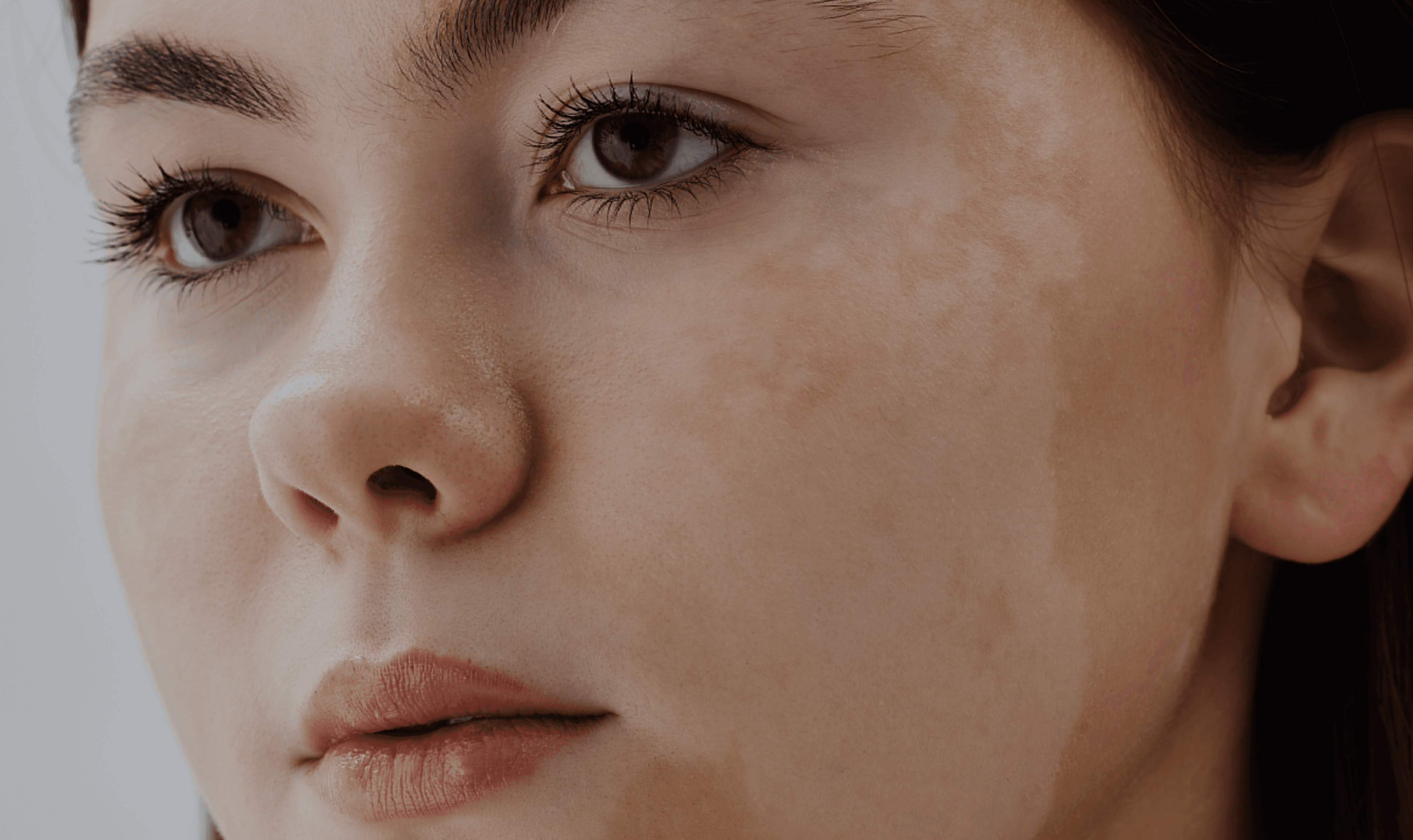
A red or purple rash that can appear on the face, eyelids, chest, back, shoulders, elbows, knees, and knuckles. The rash can be itchy and painful.
Muscle weakness
A gradual progression of weakness in the muscles closest to the trunk, such as the shoulders, hips, thighs, upper arms, and neck. This weakness affects both sides of the body.
Other symptoms
• Difficulty swallowing or talking
• Shortness of breath
• Weight loss
• Low-grade fever
• Sensitivity to light
• Calcium deposits under the skin
• Nail changes
• Alopecia
Symptoms can appear suddenly or develop gradually over time. There is no cure, but treatment can reduce symptoms.
The exact cause of dermatomyositis is unknown, but the disease is similar to other autoimmune disorders, in which your immune system attacks itself. Research is taking place to identify other factors that may play a part in its development, some of which are an infection, underlying skin cancer (more likely in elderly), and genetic predisposition.
There is no cure for dermatomyositis. The primary aim of treatment is to control the skin condition and the muscle strength and function. Treatment options include antimalarial medications, corticosteroids to reduce inflammation, immunosuppressant medications, intravenous immunoglobulins (IVIG) to reduce the immune response, pain relieving medications and steroid-sparing agents. Other important measures in the management of dermatomyositis include physical therapy, speech therapy, and dietary counseling.
The mainstay of dermatomyositis treatment usually involves oral corticosteroids to slow down the rate of disease progression. Immunosuppressive medications may also be used in conjunction with corticosteroids. These medicines all have significant side effects and often a less than adequate response is achieved with this conventional therapy.
IVIG is an effective additional therapy for patients with dermatomyositis who fail to respond to conventional therapy or who experience unacceptable side effects. A summary of clinical trials shows an overall response rate of 80% at about 2 months, with maximal response at 4 months. Most patients require ongoing IVIG therapy in addition to conventional treatments given at lower and better-tolerated dosages.
IVIG is recommended to be given monthly at a dose of 1-2 g/kg administered over 5 days. Usually, the effects of IVIG can last up to a month after each administration. IVIG is given as an infusion into a vein over a period of time, usually from 4 to 6 hours.
Skin reactions to IVIG are uncommon. Of all the reported rashes, a blistering type of eczema is the most common.[1] It often begins at about 8 to 10 days after exposure to IVIG. The rash characteristically begins as small itchy blisters on the palms and/or soles that then extends to the rest of the body. The affected individual may become red all over and itchy. Switching the type of IVIG may eliminate the reaction.
The skin lesions often resolve within a period of 1 to 4 weeks. The use of steroids controls symptoms and may speed recovery.